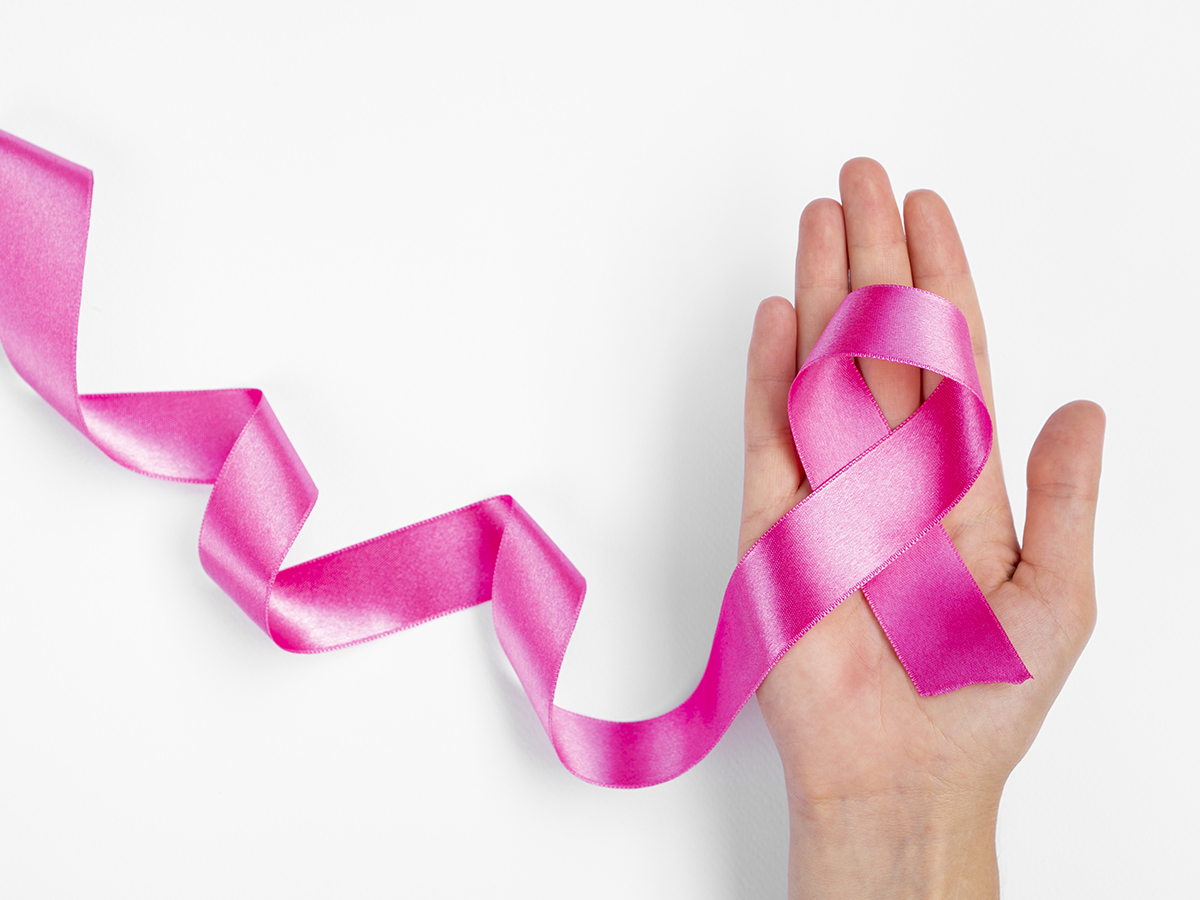
The Hidden Toll: The Emotional Impact of Breast Cancer Treatment and How Counseling Helps
By Sara Trosty Walsh, LCSW
Founder & Psychotherapist, Wellness Counseling Group
Understanding the Emotional Side of Healing
A breast cancer diagnosis changes everything physically, emotionally, and mentally. While medical treatment focuses on the body, emotional recovery can be just as demanding. Many patients describe feeling as if they are on an emotional roller coaster, managing fear, uncertainty, and exhaustion while trying to stay strong for others.
As a two-time breast cancer survivor, I know firsthand that healing doesn’t end when treatment does. When the medical appointments slow down, the emotional reality often sets in. The world moves forward, but you may still be processing everything that’s happened. That space between survival and renewal can be one of the most challenging phases of all.
Common Emotional Challenges During and After Treatment
Fear of Recurrence Even after successful treatment, many live with ongoing worry about the cancer returning. Routine checkups or physical sensations can bring back fear and anxiety.
Body Image and Identity Changes Surgery, hair loss, and other visible reminders of treatment can change how you see yourself. Therapy can help process these feelings, rebuild self-image, and restore a sense of confidence and control.
Relationship Shifts Cancer affects the entire family system. Loved ones often want to help but may not fully understand what you’re experiencing. This can leave survivors feeling isolated or emotionally distant.
Survivor’s Guilt Many wrestle with guilt when others they’ve met during treatment face different outcomes. These emotions can be heavy and confusing, but they are a normal part of healing.
Lingering Fatigue and Low Mood Even when your body begins to recover, fatigue, anxiety, or low motivation may linger. Emotional healing takes time, often longer than anyone expects.
How Counseling Helps Heal the Whole Person
At Wellness Counseling Group, we believe emotional recovery is just as vital as physical recovery. Drawing from both professional expertise and lived experience, our therapists provide compassionate, evidence-based care for individuals and families facing cancer.
Here’s how counseling can help:
Normalize emotions: What you’re feeling is real and valid. Counseling helps you understand and accept those emotions without judgment.
Manage fear and anxiety: Mindfulness and cognitive behavioral therapy (CBT) tools can help calm intrusive thoughts and reduce worry about recurrence.
Rebuild confidence: Therapy supports body image, identity, and a renewed sense of purpose after cancer.
Strengthen relationships: Learn communication tools that improve understanding and connection with loved ones.
Cultivate resilience and hope: Recovery is about more than survival — it’s about rediscovering yourself and finding joy again.
You Don’t Have to Navigate This Alone
As someone who’s walked this path personally and professionally, I understand the importance of emotional support at every stage of the journey. Whether you’re in treatment, remission, or survivorship, you deserve care that honors your whole self, mind, body, and spirit.
At Wellness Counseling Group, we’re here to walk beside you with compassion, understanding, and hope. Because healing isn’t just about surviving, it’s about learning to thrive again.
Have any question?
Whether you have questions, want to learn more, or are ready to begin your journey, we’re just a message away.